

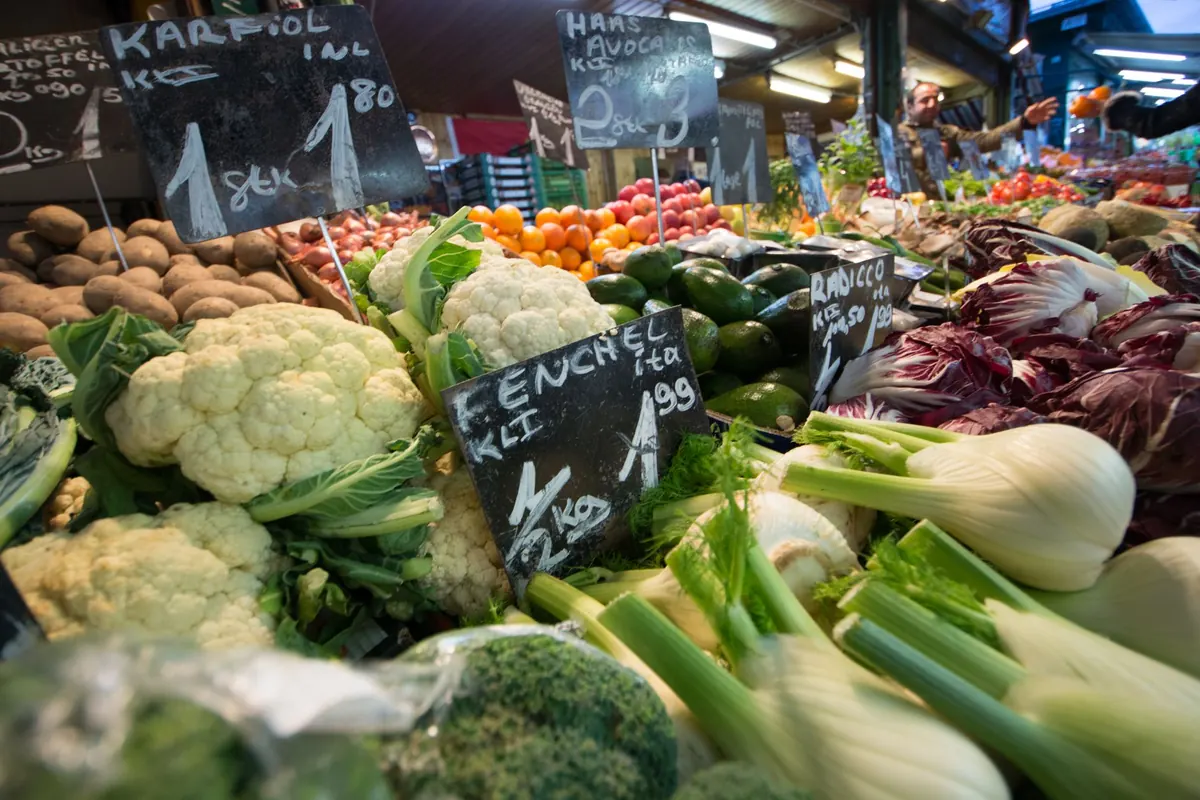
A Saturday farmers' market is a better appetizer menu than any recipe list. The tables tell you what is actually at its peak — radishes with their tops still on, slim cucumbers, peaches that smell like peaches — and peak produce needs very little done to it. The trick is to shop with a plan for how you will serve what you buy, then let the market edit your menu instead of forcing a recipe you clipped last Tuesday.
Shop With a Serving Plan, Not a Recipe
Walk the whole market once before you spend anything. You are looking for abundance: when three stalls are piled with the same vegetable, it is in season, cheap, and at its best flavor. That is your menu headline.
As you buy, decide the format for each item. Are these radishes going on a platter with butter, or getting sliced onto crostini? Are those cherry tomatoes a dip, a skewer, or a bowl of bruschetta topping? Choosing the format at the market saves you from a kitchen full of beautiful vegetables and no idea what to do with them.
- Ask the vendor how they eat it raw. Growers know whether a tomato is best sliced with salt or cooked down, and whether those beets are sweet enough for a salad.
- Ask about ripeness timing. If you are serving Saturday night, say so. A peach that needs three days on the counter is the wrong peach.
- Buy more herbs than feels reasonable. A big bunch of parsley or mint costs little and does more for a platter than any single vegetable.
- Buy for texture, not just color. You want something crunchy, something juicy, and something creamy on the same table.
The Three-Part Formula
Almost every good market appetizer is built from three things: something to hold or scoop, the produce itself, and a rich or salty counterpoint to make it feel like a party bite instead of a crudité plate.
- The base: toasted bread, endive leaves, thick cucumber rounds, small boiled potatoes, lettuce cups, or a short skewer.
- The produce: whatever looked best that morning.
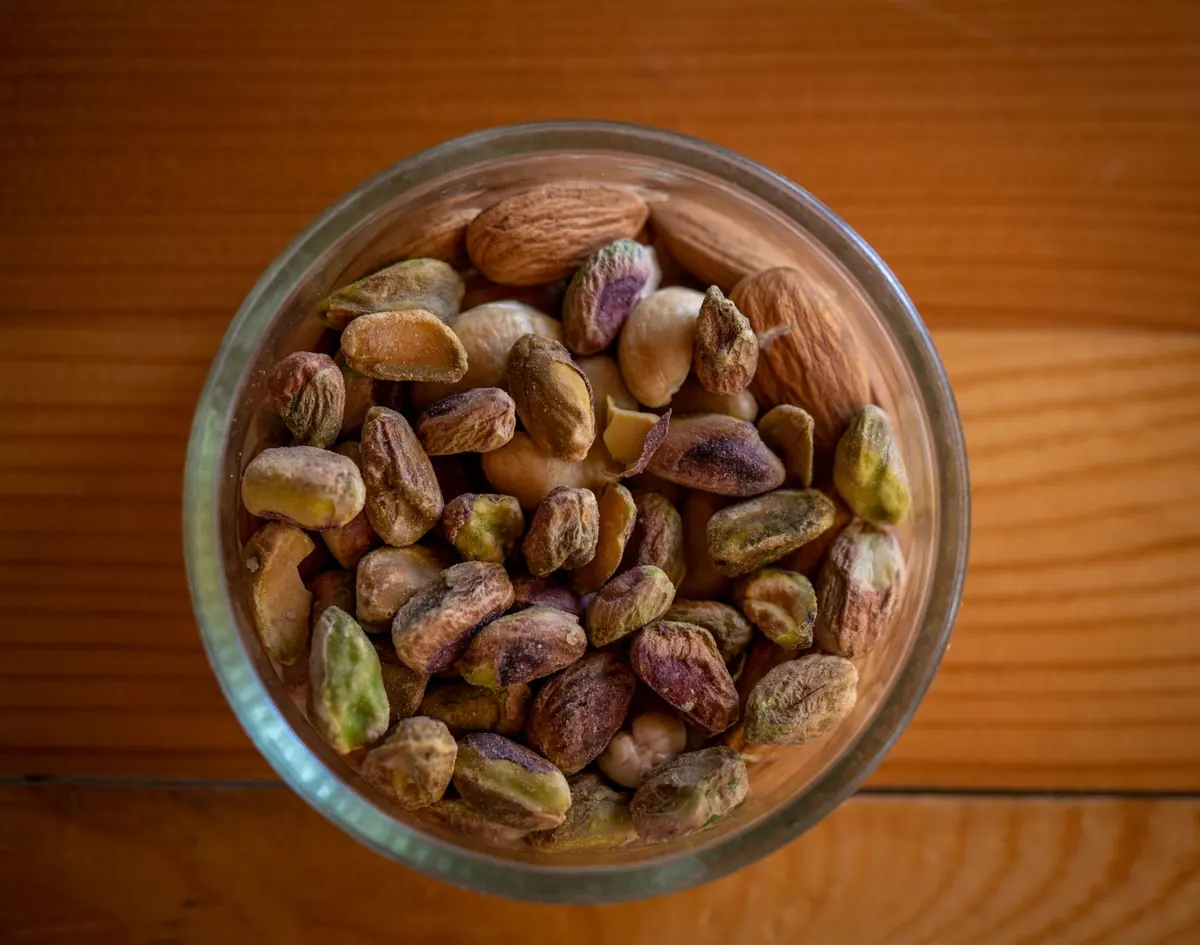
- The counterpoint: whipped ricotta, good butter, soft goat cheese, garlicky aioli, a slice of cured meat, aged cheese, olives, toasted nuts, or flaky salt.
Once you see appetizers this way, you can build them from anything. Cucumber round, herbed yogurt, smoked salmon. Potato, aioli, dill. Endive leaf, pear, sharp cheddar. The formula does the thinking, so the produce can do the tasting.
Vegetables That Need Almost Nothing
Start with the vegetables that taste good raw and improve with one small move.
Quick wins
- Radishes: halve, spread with softened butter, finish with flaky salt. Serve cold and let people eat them with their fingers.
- Shishito or padron peppers: blister in a hot skillet with a slick of oil until charred in spots, then salt and a squeeze of lemon. Serve warm, in a shallow bowl.
- Cherry tomatoes: halve, salt lightly, let drain for ten minutes, then spoon onto whipped ricotta on toast. Tear basil over the top at the last second.
- Small potatoes: boil until tender, smash flat, roast hot until the edges crisp, and pass with an herb aioli.
- Snap peas: blanch for thirty seconds, shock in ice water, then toss with sesame oil, toasted sesame seeds and salt.
Worth the extra step
Roast beets wrapped in foil until a knife slides through, cool them, then cube and skewer with soft goat cheese and a mint leaf. Shave zucchini into ribbons with a peeler, dress with lemon, olive oil, pecorino and mint, and pile it on crostini just before guests arrive. Both can be prepped hours ahead and assembled at the last minute.
Fruit Belongs on the Savory Table
Save a third of your market budget for fruit and serve it the way you would a vegetable. Peaches and plums, sliced and wrapped in prosciutto with a drizzle of olive oil and cracked pepper, disappear faster than any dip. Melon wedges with lime and a pinch of chili salt are the easiest thing you will make all summer.
Strawberries, halved and macerated for ten minutes with a little balsamic and black pepper, turn into a striking topping for ricotta crostini. Apples and pears pair with sharp cheddar and a smear of mustard. If figs are in season, halve them, add blue cheese and honey, and broil for two minutes until the cheese slumps.
One caution: do not over-chill fruit. Straight from the fridge, peaches and berries taste like nothing. Pull them out an hour before serving and the flavor comes back.
Herbs Are the Seasoning, Not the Garnish
A bunch of herbs treated as an ingredient will carry an entire platter. Make one loose green sauce and spoon it over anything bland: chop parsley, mint, dill or cilantro with olive oil, lemon juice, a few capers, a little garlic and salt. It keeps for days and improves as it sits.
Taste the sauce on the vegetable you plan to serve it with, not on a spoon. The pairing is the point.
Use soft herbs — basil, mint, dill, chervil — raw and torn, added at the end. Use hardy herbs — rosemary, thyme, oregano — in the oil while you roast or blister. Do not throw away stems: parsley and basil stems blended into a vinaigrette add more flavor than the leaves do. If you have a glut of one herb, turn it into pesto with whatever nut is in the cupboard: arugula and walnut, mint and pistachio, basil and almond.
Prep Early, Assemble Late
Market appetizers fail for one reason: they are assembled too soon. Toast bread, wash and dry greens, roast vegetables, whip ricotta, and mix sauces in the morning. Assemble within an hour of guests arriving, and keep platters shallow rather than crowded — piled-up food steams, sogs, and looks messy.
Plan quantities by bites. If dinner follows, aim for four to six bites per person. If appetizers are the whole event, double it. Set out a small bowl for pits, stems and toothpicks so people are not stuck holding them.
For food safety, keep cold items nested in a bowl of ice and hot items in a warm slow cooker or on a heated stone. Perishable food should not sit out longer than two hours, and less in hot weather. When a platter runs low, replace the bowl rather than topping it up, and label anything with nuts or dairy so guests can make their own call. If anyone at your table has an allergy or a medical condition, check with them rather than guessing.
Build Next Week's Menu From This Week's Table
Pick three appetizers: one vegetable, one fruit, and one herb-forward dip with a base to scoop it with. That is a platter, and it takes about forty minutes of real work once you have done it a few times. Try blistered shishitos, peach and prosciutto skewers, and herbed ricotta with cucumber rounds — then change it entirely when the market changes.
Before you leave the stall, ask what will be ready next week. Growers usually know, and shopping that way keeps you cooking with the season instead of chasing it. Bring a sturdy bag, a little cash for the small stands, and enough room in your fridge for more herbs than you planned on.
Photo: picmamba.com / Pexels