

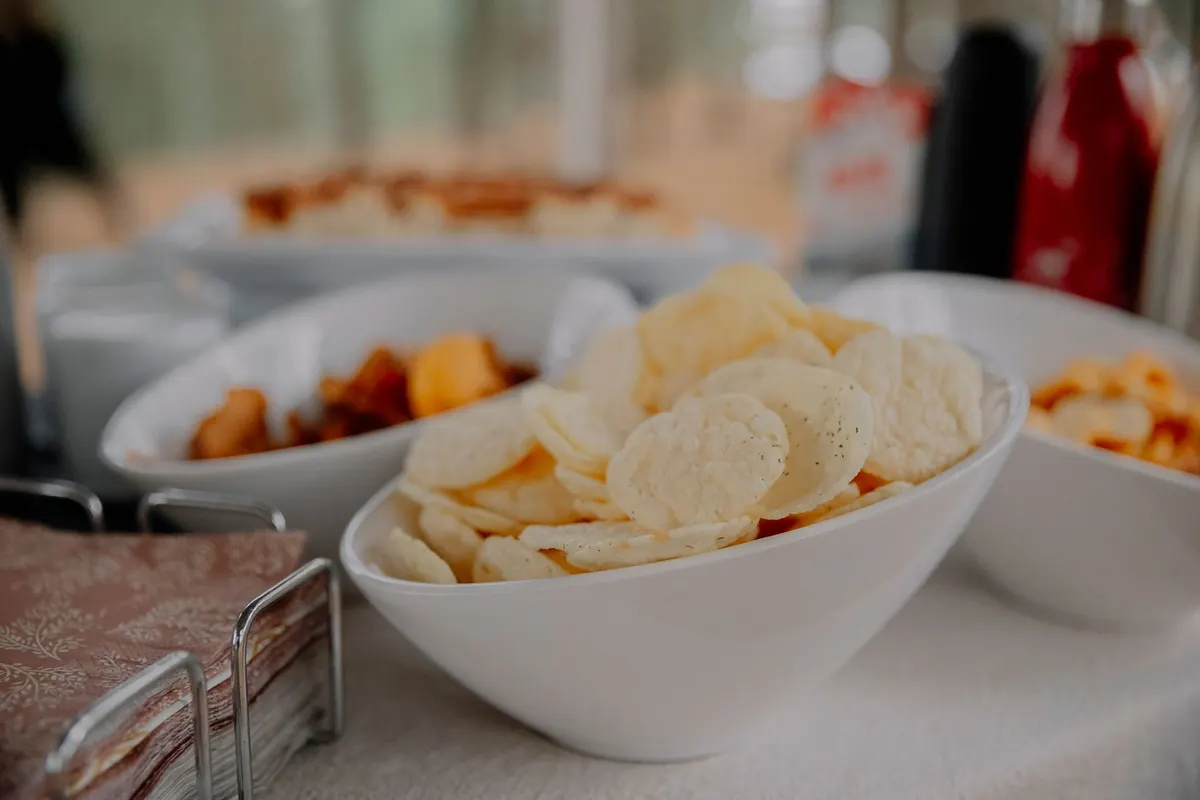
Ask ten hosts what belongs on a party snack table and you will get ten answers. But the season shapes the menu more than most people admit. A spring gathering and a winter gathering want different temperatures, different textures, even different portion sizes. Guests drifting between a patio and a kitchen in May graze lightly and wander off. Guests packed into a living room in December eat with more purpose and come back for seconds. Build for that difference and your table looks generous instead of picked over.
Temperature Is the Real Dividing Line
Spring snacking is built on cool and room-temperature food. Winter snacking is built on heat that survives a crowd. That single difference decides which dips you make, which bites you bake, and how many slow cookers you drag out of the cupboard.
It also changes how much food people eat. Cold, crisp things refresh; warm, rich things satisfy. A bowl of chilled cucumber yogurt disappears quickly in July and sits untouched in January, when everyone is circling the hot dish.
If a dish has to be served at one precise temperature to be good, it probably does not belong on a buffet.
A Spring Snack Menu
Cold dips and spreads
Whipped feta with peas and mint. Radish butter on thin toast. Labneh with olive oil, za'atar and lemon zest. These hold beautifully at room temperature for an hour, which is exactly how long a spring party takes to get going. Serve them in shallow bowls so guests can scoop without a fight.
Crunch, raw and cold
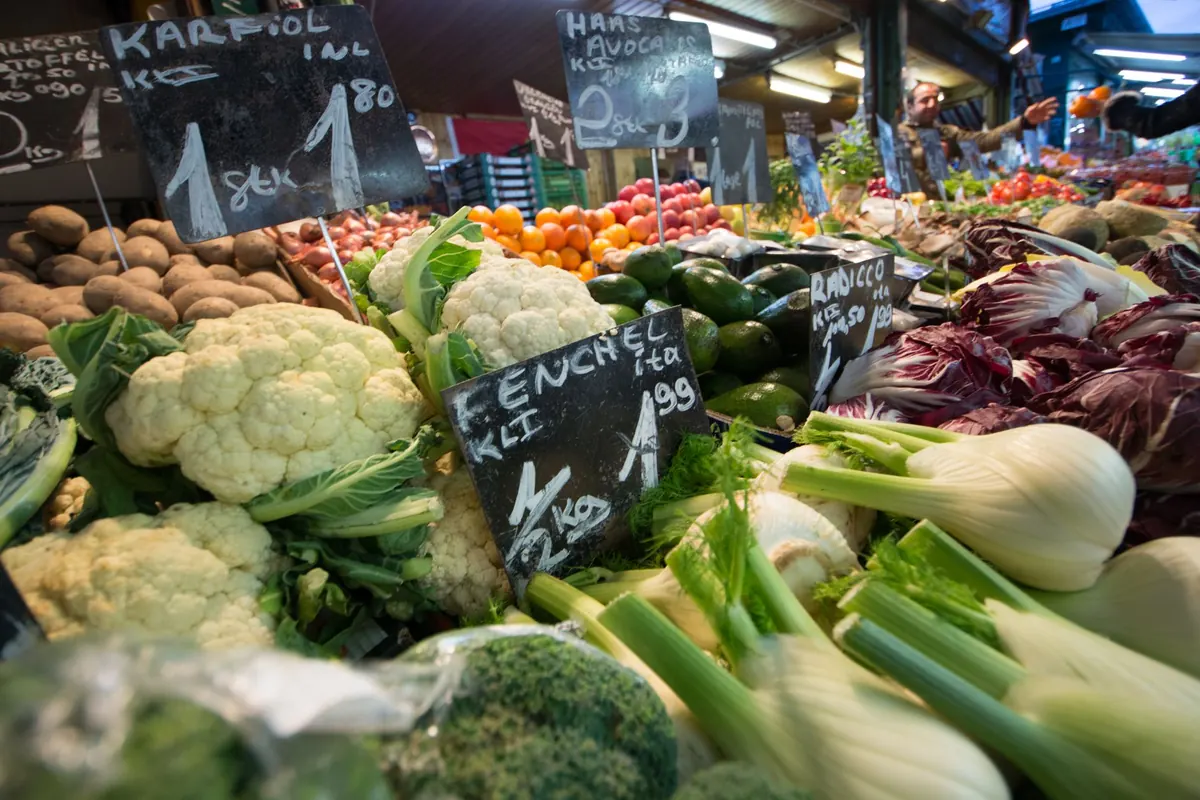
Sugar snap peas, breakfast radishes with good butter and flaky salt, cucumber spears, jicama sticks, little gem leaves used as cups. Set the bowl of vegetables inside a larger bowl filled with ice if the day is hot, but keep the ice from touching the vegetables directly — direct contact makes them limp and watery.
Small handheld bites
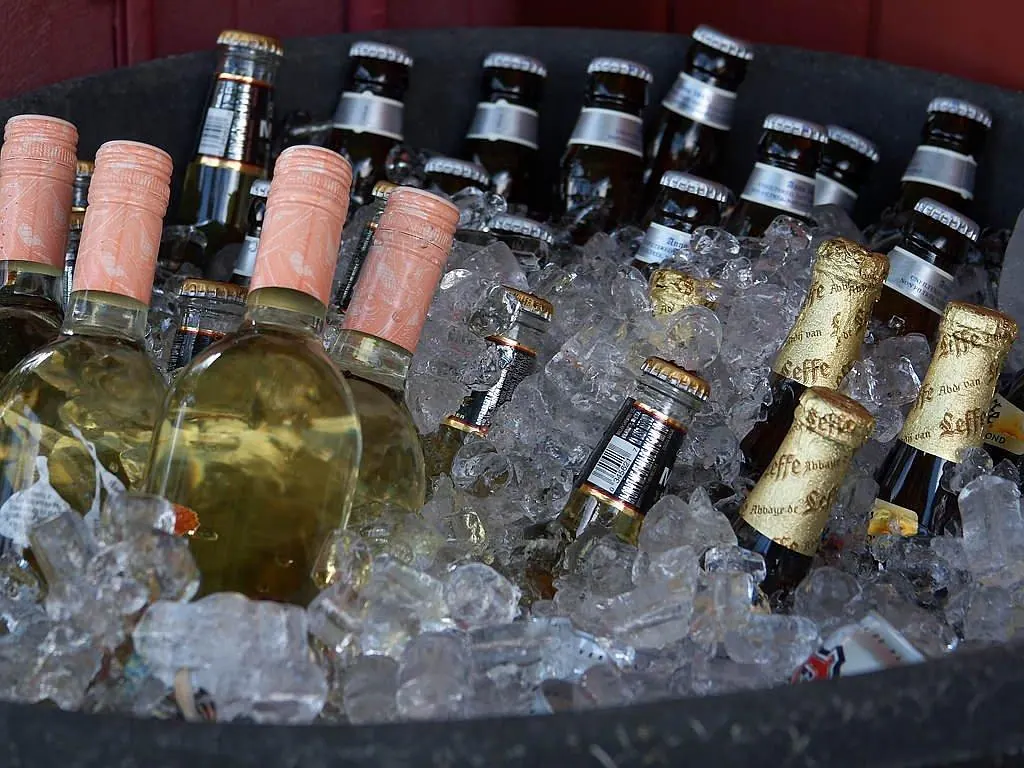
Deviled eggs with chives, ricotta-and-pea tartines, prosciutto wrapped around melon, cherry tomatoes and mozzarella on short skewers, chilled shrimp with a dill dip. Nothing here needs an oven once guests arrive, which is the whole point. Drinks follow the same logic: citrus sparkling water, iced tea, a chilled rosé, cucumber water in a big glass jug.
A Winter Snack Menu
Warm dips that hold their heat
Spinach and artichoke, beer cheese, hot crab, queso with chorizo. Keep them in slow cookers set to warm and stir every twenty minutes. Thick dips tighten as they sit, so keep a splash of milk or stock nearby and loosen them as needed.
Baked and roasted bites
Mini sausage rolls, stuffed mushrooms, baked brie with cranberry, roasted Brussels sprouts on skewers with a balsamic drizzle, potato wedges with sour cream and chive. These are sturdier than spring bites and they reward being made in large batches.
Nuts, spice and something sweet
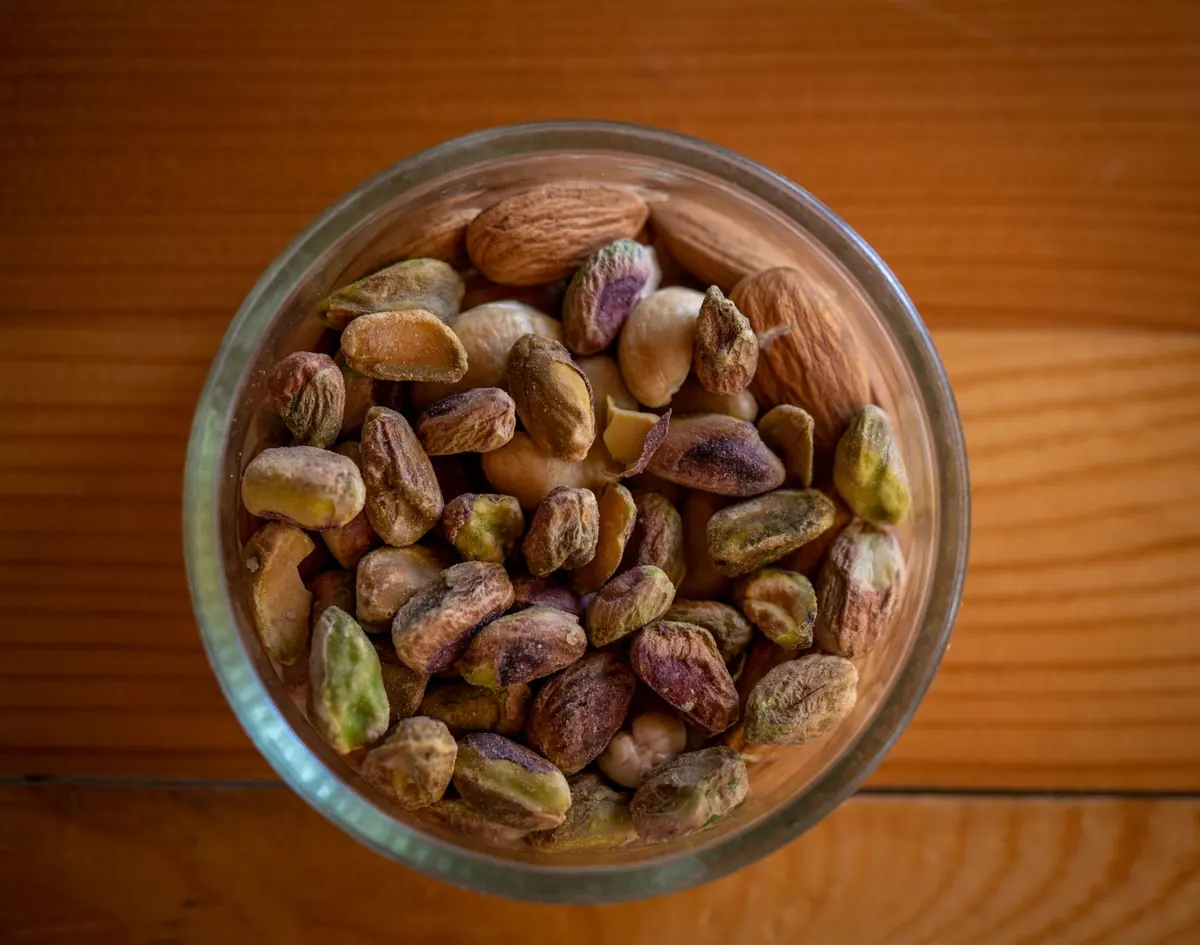
Rosemary cashews, maple-chili pecans, spiced walnuts still warm from the pan. Add mini apple hand pies, gingerbread bites, and a hot cocoa bar with marshmallows, cinnamon sticks and whipped cream. Mulled cider in a slow cooker fills the room with the smell of the season before anyone takes a bite.
Ingredient Swaps, Side by Side
Most party snacks are the same idea wearing different clothes. Once you see the pattern, you can move a recipe from one season to the other in a single shopping trip.
- Tomatoes become roasted carrots, parsnips or squash.
- Basil and mint become rosemary, thyme and sage.
- Lemon and vinegar become orange zest, brown butter and cream.
- Cucumber and melon become apple, pear and roasted beets.
- Fresh berries become dried cranberries, figs and pomegranate seeds.
- Iced tea and spritzers become mulled cider, spiced punch and hot cocoa.
- Oil-based dips become cheese- and cream-based dips.
Textures swap too. Where spring leans on snap and crunch, winter leans on crisp edges and soft centers. That is why a toasted baguette slice with herb butter beats a cold cracker once the temperature drops.
Serving Temperatures and Setup Notes
Cold food should stay cold and hot food should stay hot, and most perishable snacks should not sit out for more than about two hours — less in a warm room. If in doubt, check official food safety guidance for your area.
Practical setup matters more than fancy plating. Count your outlets before you plan hot food; two slow cookers on one circuit is a blown fuse in the middle of a party. Use insulated carafes for hot drinks so nobody has to hover over a kettle. Warm your serving plates in a low oven for ten minutes before filling them, and put cold items out in small amounts, refilling from the fridge rather than leaving a giant bowl sweating on the table.
Where the Two Menus Meet
A few snacks work in any season with a small nudge. Deviled eggs, a cheese and charcuterie board, and a good hummus all belong on both tables. Spiced nuts change character with the spice blend: chili and lime in April, rosemary and smoked paprika in December. Skewers work year-round — mozzarella and tomato in spring, sausage and roasted pepper in winter. Build your menu around two or three of these constants and you will never start from scratch.
Before You Shop: A Short Plan
- Decide the ratio first: two cold items and one warm, or the reverse. Write it down.
- Check your outlets and slow cookers before you commit to hot food.
- Choose one item that can be made two days ahead and one that takes ten minutes on the day.
- Note the serving temperature for every dish on a sticky note you can see while plating.
- Set out half the food, keep the rest cool or warm in the kitchen, and refill as trays empty.
Seasonal snacking is less about following a rulebook and more about reading the room — the actual room, with its coat rack and its open windows. Match the temperature of your food to the temperature of the party, and the menu mostly takes care of itself.
Photo: Elina Volkova / Pexels